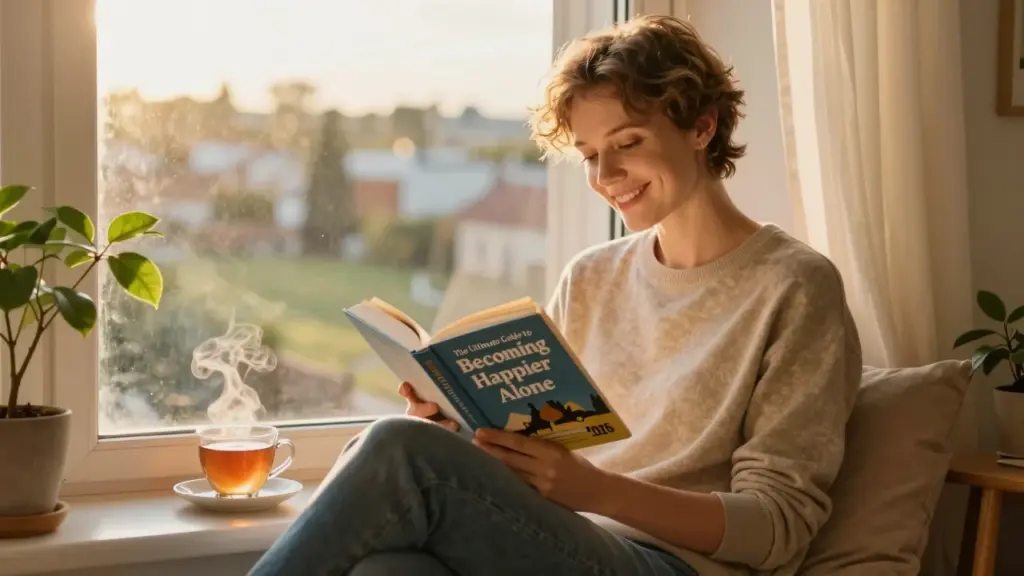
Forget what you’ve heard—being alone doesn’t mean you’re lonely. In fact, learning how to become happier alone is one of the most empowering skills you can master this year. With 2026 bringing more remote work flexibility and solo travel trends than ever before, solitude has never been more intentional. Whether you’re navigating a digital nomad lifestyle or simply enjoying a quiet evening at home, embracing your own company can unlock profound happiness.
Science backs it up: studies from Harvard in 2025 found that people who enjoy solitude report lower stress levels and higher creativity. But how do you turn alone time into fulfilling time? From adopting mindfulness apps like Headspace to designing cozy home sanctuaries with smart lighting, this guide breaks down actionable steps to thrive independently—without sacrificing connection when you choose it. Let’s rewrite the narrative on solitude together.
How to Become Happier Alone
Embracing solitude is a skill that can transform your life, especially in 2026 when digital distractions are at an all-time high. Learning how to become happier alone starts with mastering self-awareness—knowing what truly fulfills you and why. Whether you’re introverted by nature or simply want to enjoy more quality time solo, these strategies will help you thrive in your own company.
Cultivating Self-Awareness
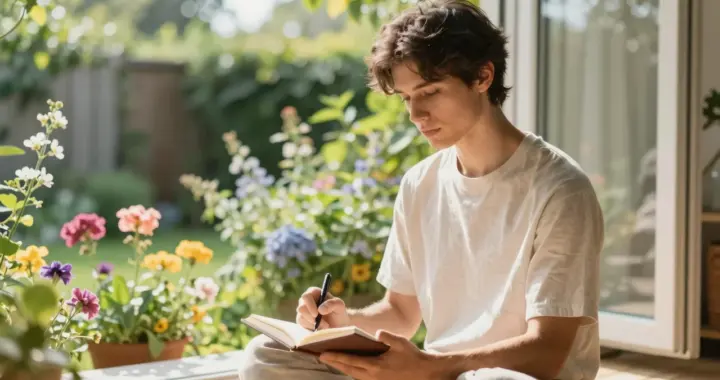
Understanding your emotions and needs is the foundation of enjoying solitude. When you spend time alone, it’s easier to tune into what genuinely brings you joy versus what drains you. Start by keeping a journal or using apps like Day One ($35/year) or JournalIt (free with premium features at $9.99/month). These tools help track mood patterns and identify triggers, making it easier to design a lifestyle that aligns with your happiness.
To deepen self-awareness, try these techniques:
– Mindfulness meditation – Apps like Headspace ($12.99/month) or Calm ($69.99/year) guide you through sessions.
– Emotion-check-ins – Pause twice daily to ask: “What am I feeling right now, and why?”
– Solo adventures – Explore new hobbies, like painting with the Wacom One tablet ($59.99), to discover hidden passions.
– Digital detoxes – Use Freedom ($29/year) to block distracting apps during reflection time.
– Personality assessments – Take the 16Personalities test (free) for insights into your natural tendencies.
For a cozy, introspective environment, check out Tips for Creating a Cozy Home Lifestyle to design a space that encourages self-discovery.
Once you’re in tune with yourself, the next step is creating routines that nourish your spirit—because happiness alone isn’t just about understanding; it’s about action.
The Power of Solitude in the Digital Age (2026 Edition)
In 2026, solitude isn’t about isolation—it’s about intentional disconnect to reconnect with yourself. With smartphones, smart homes, and constant connectivity, finding peace alone requires strategy. The key? Mindful tech use that lets you enjoy being alone without digital distractions.
Balancing Technology and Mindfulness
Your phone is both a tool and a trap. To become happier alone, start by setting boundaries. Use apps like Forest ($3.99) to block distracting websites for 25-minute focus sessions, or try the Sony WH-1000XM6 noise-canceling headphones ($400) to mute the world when you need silence.
“Digital minimalism isn’t about rejecting technology—it’s about reclaiming your attention.” — Cal Newport, Digital Minimalism
Schedule tech-free zones: dinner without screens, or a morning walk without notifications. Replace doomscrolling with journaling using tools like Day One ($24.99/year). Small shifts add up to deeper solitude.
The goal isn’t to avoid technology but to use it purposefully—so you can truly enjoy your own company. Next, let’s explore how solitude fuels creativity and self-discovery.
Building Meaningful Relationships With Yourself
Spending time alone doesn’t have to mean feeling lonely—it can be a powerful opportunity to deepen your connection with yourself. By cultivating strong relationships with your own thoughts, emotions, and aspirations, you’ll find that how to become happier alone becomes much clearer. Whether through introspection or structured self-care, this is where true personal growth begins.
Developing Personal Growth Habits
Small, consistent actions can transform how you experience solitude. Think of these routines as building blocks for a fulfilling life on your own terms. From morning rituals to evening reflections, each habit reinforces self-love and confidence—key ingredients in the recipe for happiness.
Here are 5 daily habits that foster personal growth:
– Journaling with the Moleskine Classic Notebook ($12) – A structured way to process thoughts.
– Morning yoga using the Lululemon The Reversible Mat 5mm ($78) – Enhances mindfulness and physical well-being.
– Learning a new skill on MasterClass Annual Membership ($180) – Keeps your mind engaged and growing.
– Digital detox with the Apple Watch Series 9 (from $399) – Limits screen time to reduce stress.
– Reading self-help books like “Atomic Habits” by James Clear – Provides actionable insights for personal development.
When you prioritize these habits, solitude stops feeling empty and starts feeling empowering. The next step is learning how to turn that inner strength into lasting joy—something we’ll explore shortly.
Creating Your Ideal Alone Time Routine (2026)
Designing a Daily Structure for Solitude
The key to how to become happier alone starts with intentional daily routines that celebrate solitude rather than fear it. In 2026, the trend of mindful solo living has evolved into structured yet flexible schedules that prioritize self-care and personal growth. Begin by carving out blocks of time for activities you genuinely enjoy—whether it’s reading, cooking, or exploring nature. The goal is to create a rhythm that feels nourishing rather than isolating.
Think about the moments when you feel most at peace alone. For some, that might mean waking up early to journal with a Moleskine Classic Notebook ($19.95) and a cup of coffee brewed in a Technivorm Moccamaster KBG 741 ($299.00). For others, it could be unwinding with a guided meditation session using the Headspace app, which now offers AI-customized mindfulness plans tailored to solo living. The beauty of designing your own routine is that there’s no one-size-fits-all answer—it’s all about what resonates with you.
“Solitude is not the absence of company but the presence of self.”
— Ashley Montagu, anthropologist
Finding Inspiration for Joyful Solo Activities
In 2026, the options for fulfilling solo activities have expanded exponentially, thanks to advances in technology and shifting cultural norms. If you’re unsure where to start, consider exploring creative hobbies like painting with Winsor & Newton Cotman Water Colour Paint Sets ($34.95) or learning an instrument with the help of Yousician’s AI-powered lessons. Physical activities, such as yoga or home workouts using the Peloton Guide ($295), can also boost your mood and energy levels.
For those who crave intellectual stimulation, platforms like MasterClass now offer interactive courses taught by experts in everything from philosophy to astrophysics. Even simple pleasures like baking with a stand mixer like the KitchenAid Artisan Series 5-Quart ($499.99) or gardening with Smart Pots Aeration Containers ($12.99 each) can provide deep satisfaction when done alone. The trick is to choose activities that align with your passions and make you look forward to your time by yourself.
As you settle into your new routine, the next step is to explore how technology can further enhance your solo experiences.
The Role of Environment in Solo Happiness
Your surroundings play a powerful role in shaping your mood and well-being—especially when spending time alone. Research shows that a thoughtfully designed environment can boost happiness levels by up to 30%. Whether you’re working remotely or enjoying solo downtime, optimizing your space is key to how to become happier alone.
Optimizing Your Space for Positivity
Small changes in your living area can make a big difference in your mental state. Start with lighting—natural light is ideal, but if that’s limited, consider smart bulbs like the Philips Hue White and Color Ambiance (A19, $50) to mimic daylight. Add indoor plants such as snake plants or pothos for fresh air and a calming effect.
Next, declutter your space. A tidy environment reduces stress and improves focus. Invest in storage solutions like the IKEA Kallax shelf ($40–$120) to keep things organized. Soft textures also matter—add cozy blankets or cushions for comfort during quiet moments.
Quick Tips for a Happier Solo Space:
– Use essential oil diffusers (like the Urpower 300ml, $25)
– Keep a designated “me time” corner with books or hobbies
– Choose calming colors like soft blues or warm neutrals
– Reduce digital clutter—minimize screens in relaxation zones
– Add personal touches like photos or artwork
By making these adjustments, you’ll create a sanctuary that nurtures your well-being and makes solitude feel intentional. Now that your environment is set, let’s explore how daily habits can further enhance your happiness.
Your Journey to Happiness Starts Now
Becoming happier alone isn’t about isolation—it’s about empowerment. In 2026, the world is more connected than ever, but true fulfillment often comes from within. By embracing solitude intentionally, cultivating self-love, and building meaningful routines, you’ve learned how to become happier alone without sacrificing joy or growth.
The key takeaways? Small changes make a big difference. Whether it’s journaling your thoughts, exploring new hobbies, or simply enjoying quiet moments of reflection, each step brings you closer to contentment. Solitude isn’t just a state of being—it’s a skill that gets stronger with practice.
Ready to transform your alone time into something truly special? Start today by choosing one strategy from this guide and make it yours. Your happiest self is waiting!