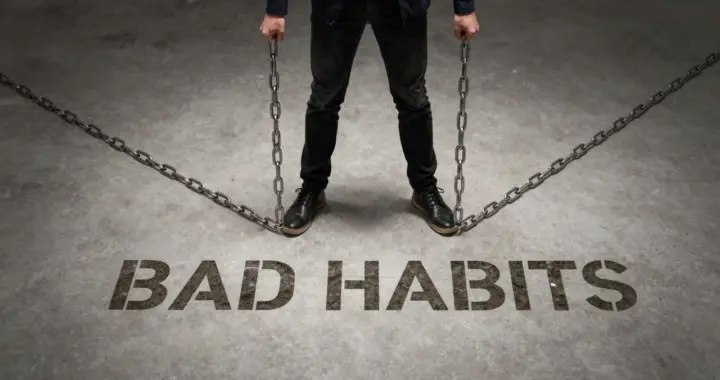
Transform Your Life with Positive Habits: A Complete Guide for 2026
In the fast-paced world of 2026, the pursuit of personal growth and self-improvement has never been more critical. The concept of transform your life with positive habits is no longer just a trend but a science-backed necessity. With increasing stress levels, digital distractions, and the constant pressure to perform, cultivating positive habits has become essential for mental, emotional, and physical well-being. This comprehensive guide will walk you through the transformative power of positive habits, the science behind them, and actionable steps to integrate them into your daily life.
Benefits of Positive Habits
Positive habits are the building blocks of a fulfilling life. According to the latest research in 2026, individuals who consistently practice positive habits report higher levels of happiness, productivity, and overall life satisfaction. These habits can range from simple actions like morning meditation to more structured routines like regular exercise and mindful eating. The cumulative effect of these habits creates a ripple effect, enhancing various aspects of life, including relationships, career, and health.
- Enhanced Mental Clarity: Positive habits like journaling and mindfulness help declutter the mind, leading to better decision-making and reduced anxiety.
- Improved Physical Health: Regular exercise and balanced nutrition, when practiced as habits, significantly lower the risk of chronic diseases.
- Boosted Productivity: Habits such as time blocking and prioritization techniques help streamline work processes and increase efficiency.
- Stronger Relationships: Consistent positive interactions and active listening foster deeper connections with loved ones.
- Increased Resilience: Positive habits build emotional resilience, enabling individuals to bounce back from setbacks more effectively.
“The chains of habit are too light to be felt until they are too heavy to be broken.” — Warren Buffett
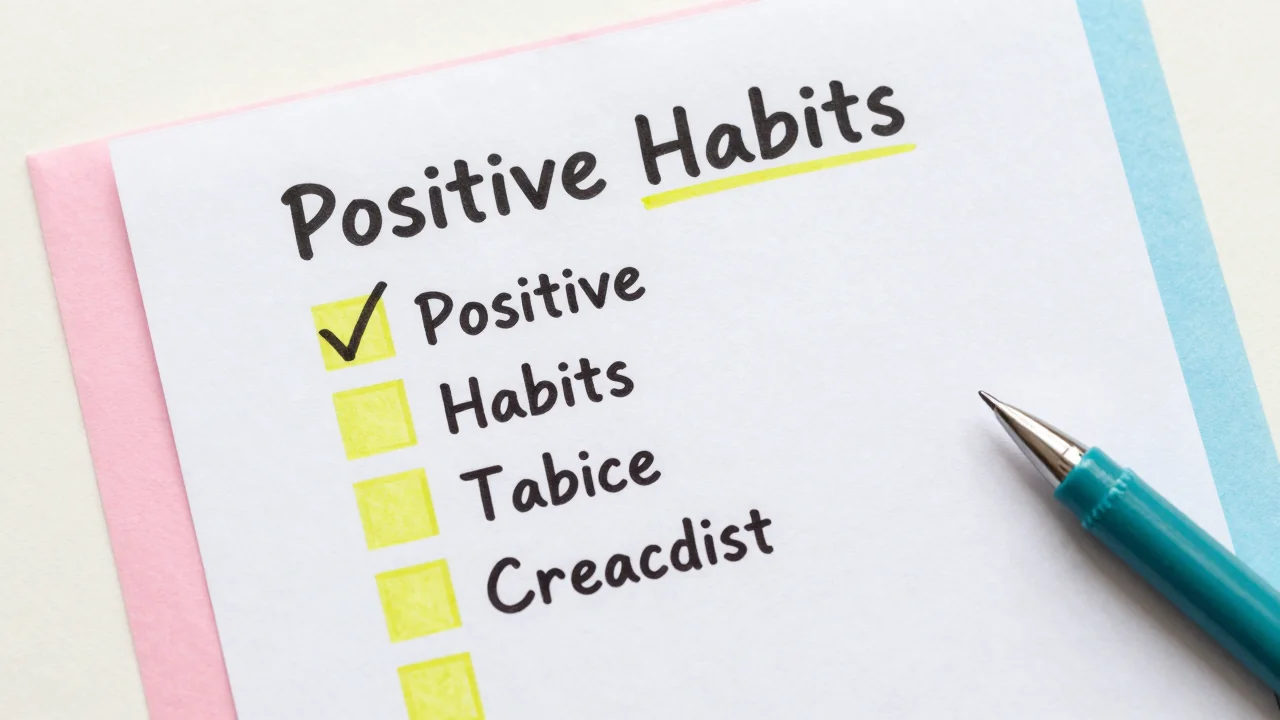
Science of Habit Formation
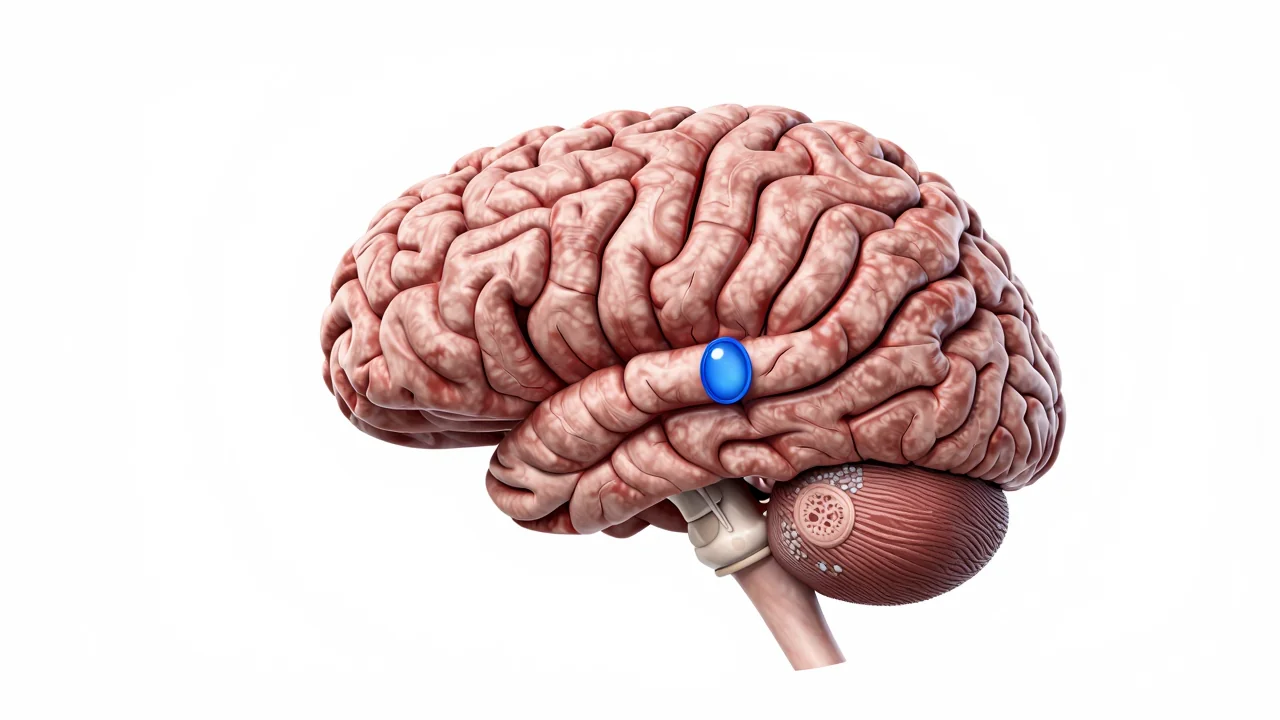
The science behind habit formation has evolved significantly in 2026. Neuroscientists have discovered that habits are deeply ingrained in the brain’s neural pathways. The habit loop, consisting of a cue, routine, and reward, is a fundamental model that explains how habits are formed and maintained. Understanding this loop empowers individuals to consciously design habits that align with their goals and values.
Recent studies have also highlighted the role of dopamine in habit formation. This neurotransmitter, often associated with pleasure and reward, plays a crucial role in reinforcing positive behaviors. By leveraging the brain’s natural chemistry, individuals can create habits that are not only beneficial but also enjoyable and sustainable.
Moreover, the concept of “keystone habits” has gained traction in 2026. These are habits that have a domino effect, triggering a cascade of other positive behaviors. For example, regular exercise can lead to better eating habits, improved sleep, and increased productivity. Identifying and cultivating keystone habits can accelerate the process of life transformation.
Steps to Transform Your Life
Transforming your life with positive habits requires a structured approach. Here are the key steps to get started:
- Start Small: Begin with manageable habits that require minimal effort. For instance, commit to a 5-minute meditation session or a short walk each day.
- Set Clear Goals: Define what you want to achieve and break it down into smaller, actionable steps. Use the SMART goal framework to ensure your goals are specific, measurable, achievable, relevant, and time-bound.
- Create a Routine: Incorporate your new habits into your daily routine. Consistency is key to forming lasting habits.
- Track Your Progress: Use habit-tracking apps or journals to monitor your progress. Visualizing your achievements can motivate you to stay on track.
- Seek Support: Surround yourself with like-minded individuals who share your goals. Accountability partners or support groups can provide the encouragement needed to stay committed.
Breaking Bad Habits
While forming positive habits is essential, breaking bad habits is equally important. Bad habits, such as procrastination, overeating, and excessive screen time, can derail your progress and negatively impact your well-being. In 2026, researchers have developed innovative strategies to help individuals overcome these harmful behaviors.
One effective method is the “habit substitution” technique, where you replace a bad habit with a positive one. For example, if you tend to snack on junk food when stressed, you can substitute it with a healthier alternative like fruits or nuts. Another approach is to identify the triggers that lead to bad habits and find ways to avoid or manage them.
For a more detailed guide on how to break bad habits, explore resources that provide step-by-step strategies and practical tips tailored to your specific needs.
Building Emotional Resilience
Emotional resilience is the ability to adapt to stressful situations and bounce back from adversity. In 2026, building emotional resilience has become a cornerstone of personal development. Positive habits play a pivotal role in strengthening this resilience by fostering a mindset of positivity and adaptability.
Practices such as mindfulness, gratitude journaling, and positive self-talk can significantly enhance emotional resilience. These habits help individuals reframe negative thoughts, manage stress more effectively, and maintain a balanced perspective during challenging times.
For a comprehensive guide on how to build emotional resilience, consider exploring resources that offer evidence-based techniques and real-life examples.

Creating a Peaceful Home Environment
A peaceful home environment is crucial for maintaining positive habits and overall well-being. In 2026, the concept of a “sanctuary home” has gained popularity, emphasizing the importance of creating a space that promotes relaxation, productivity, and happiness. Simple changes like decluttering, incorporating natural elements, and using calming colors can transform your home into a haven of tranquility.
Additionally, integrating technology that supports well-being, such as smart lighting and air purifiers, can enhance the quality of your home environment. These technological advancements not only improve comfort but also contribute to better mental and physical health.
Maintaining Long-Term Success
Maintaining long-term success with positive habits requires continuous effort and adaptability. In 2026, experts recommend periodic reviews of your habits to ensure they align with your evolving goals and circumstances. Celebrating small victories and acknowledging progress can keep you motivated and committed to your journey.
Furthermore, staying informed about the latest research and trends in habit formation can provide valuable insights and inspiration. Engaging with communities of like-minded individuals and seeking professional guidance when needed can also support your long-term success.
“Success is the sum of small efforts, repeated day-in and day-out.” — Robert Collier

Transforming your life with positive habits is a journey that requires patience, persistence, and a willingness to embrace change. By understanding the science of habit formation, breaking bad habits, building emotional resilience, and creating a supportive environment, you can pave the way for a happier, healthier, and more fulfilling life in 2026 and beyond.