How to Become a Better Person Through Daily Habits
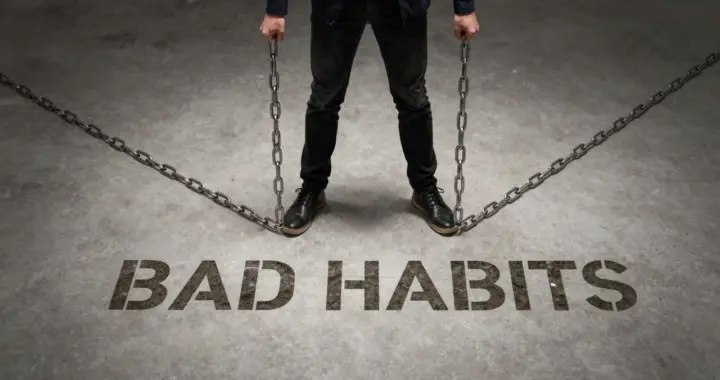
Becoming a better person is a journey that requires intentional effort and the cultivation of daily habits. In 2026, personal growth has become more accessible than ever, with a wealth of resources and techniques available to help individuals transform their lives. The key to lasting change lies in understanding how habits shape our behavior and learning how to become a better person daily habits that foster growth, resilience, and positivity.
Personal growth is not about achieving perfection but about making consistent, incremental improvements. It involves self-awareness, a commitment to learning, and the willingness to step out of your comfort zone. By adopting habits that align with your values and goals, you can create a foundation for a more fulfilling and meaningful life.
Research from 2026 indicates that individuals who focus on personal growth are more likely to experience higher levels of happiness, success, and overall well-being. The journey begins with a clear understanding of what personal growth means to you and a plan to incorporate positive habits into your daily routine.
Understanding Habit Formation
Habits are the building blocks of personal transformation. They are automatic behaviors that, when repeated consistently, become ingrained in our daily lives. Understanding how habits form is crucial for anyone looking to become a better person.
The habit loop, as described by behavioral scientists, consists of three elements: the cue, the routine, and the reward. The cue triggers the behavior, the routine is the habit itself, and the reward is the positive reinforcement that encourages repetition. For example, if you want to develop a habit of exercising daily, you might set a cue (like laying out your workout clothes the night before), perform the routine (exercising), and reward yourself (with a healthy smoothie afterward).
In 2026, technology has made habit tracking more accessible than ever. Apps like Habitica and Streaks help users monitor their progress and stay motivated. By leveraging these tools, you can create a system that supports your goals and keeps you accountable.

Building Positive Habits for Personal Growth
Building positive habits is essential for personal growth. Small, consistent actions can lead to significant changes over time. To become a better person, focus on habits that promote mental, emotional, and physical well-being.
Start by identifying areas of your life that you want to improve. Whether it’s productivity, health, or relationships, create a list of habits that align with your goals. For instance, if you want to improve your mental health, consider incorporating mindfulness practices or learning how to build mental resilience.
Consistency is key when building new habits. Research shows that it takes an average of 66 days for a behavior to become automatic. Start small and gradually increase the complexity of your habits as they become more ingrained. Celebrate your progress along the way to stay motivated.

Developing Emotional Resilience
Emotional resilience is the ability to bounce back from adversity and cope with stress effectively. It is a critical skill for personal growth and well-being. In 2026, experts emphasize the importance of emotional resilience techniques in navigating life’s challenges.
To develop emotional resilience, practice self-compassion and positive self-talk. Acknowledge your emotions without judgment and remind yourself that setbacks are a natural part of growth. Engage in activities that bring you joy and provide a sense of accomplishment.
Building a support network is another essential aspect of emotional resilience. Surround yourself with positive, supportive people who encourage your growth. Seek professional help if needed, such as therapy or coaching, to develop strategies for managing stress and overcoming obstacles.

Managing Stress and Overwhelm
Stress and overwhelm are common challenges that can hinder personal growth. Learning how to manage these emotions effectively is crucial for maintaining mental and emotional well-being. In 2026, techniques for how to stop feeling overwhelmed have evolved to include a combination of mindfulness, physical activity, and lifestyle adjustments.
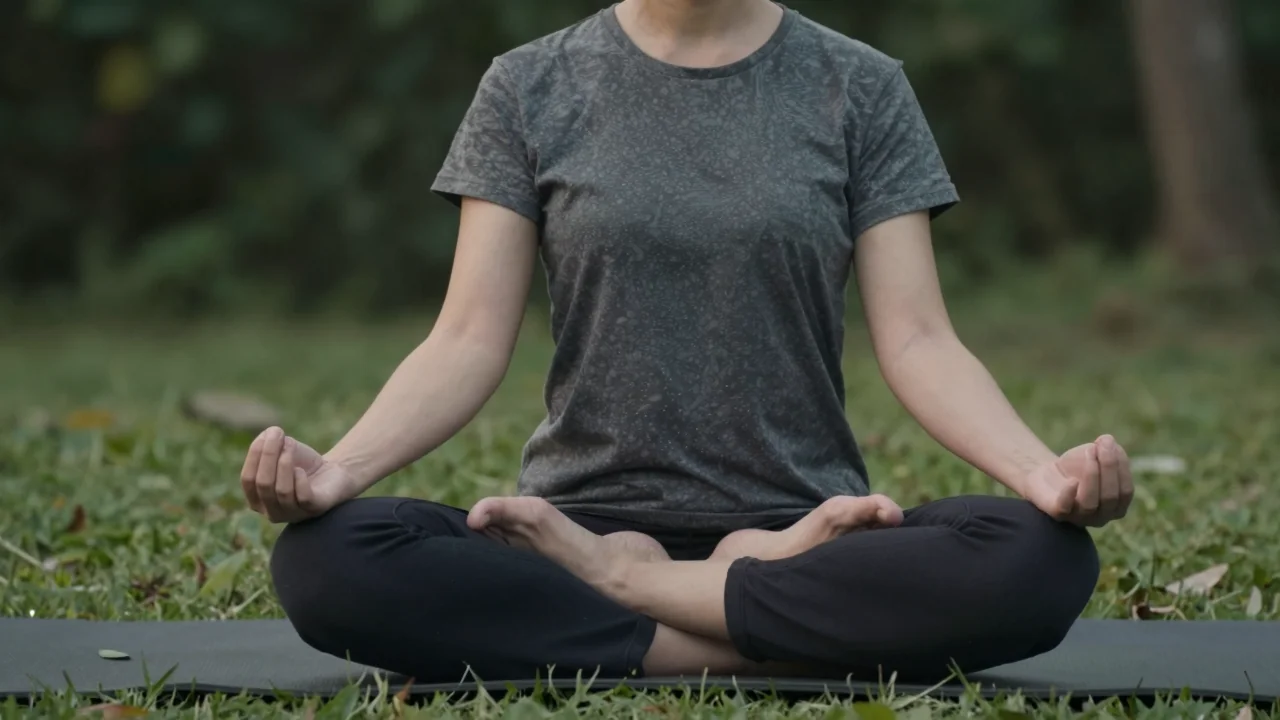
One effective strategy for managing stress is to prioritize self-care. Engage in activities that help you relax, such as meditation, deep breathing exercises, or spending time in nature. Establish boundaries to protect your time and energy, and learn to say no to commitments that add unnecessary stress to your life.
Time management is another key factor in reducing overwhelm. Break large tasks into smaller, manageable steps and create a schedule that allows for breaks and downtime. Use productivity tools and techniques, such as the Pomodoro method, to stay focused and avoid burnout.

Cultivating a Positive Mindset
A positive mindset is a powerful tool for personal growth. It allows you to approach challenges with optimism and resilience. Cultivating a positive mindset involves practicing gratitude, reframing negative thoughts, and focusing on solutions rather than problems.
Start by keeping a gratitude journal. Write down three things you are grateful for each day. This practice shifts your focus from what is lacking to what is abundant in your life. Additionally, challenge negative thoughts by asking yourself if they are based on facts or assumptions. Replace them with affirmations that support your growth.
Surround yourself with positivity by engaging in uplifting activities and spending time with positive people. Limit exposure to negative influences, such as toxic relationships or media that promote fear and anxiety. By fostering a positive mindset, you create a foundation for lasting personal growth.
Improving Relationships for Personal Growth
Relationships play a significant role in personal growth. Healthy, supportive relationships provide emotional support, encouragement, and a sense of belonging. To improve your relationships, focus on effective communication, empathy, and active listening.
Practice active listening by giving your full attention to the other person and reflecting back what you hear. Show empathy by acknowledging their feelings and validating their experiences. Engage in open and honest communication, expressing your needs and boundaries clearly.
Invest time and effort in nurturing your relationships. Plan regular check-ins with loved ones, whether through calls, messages, or in-person meetings. Celebrate their successes and support them during challenging times. By fostering strong, positive relationships, you create a supportive environment for personal growth.
Creating a Peaceful Home Environment
A peaceful home environment is essential for personal growth. It provides a sanctuary where you can recharge, reflect, and focus on your goals. To create a peaceful home, declutter your space, incorporate elements of nature, and establish routines that promote relaxation.
Decluttering your home can reduce stress and increase productivity. Donate or sell items you no longer need and organize your space to create a sense of order. Incorporate natural elements, such as plants and natural light, to create a calming atmosphere.
Establish routines that promote relaxation, such as a bedtime ritual that includes reading or meditation. Create designated spaces for different activities, such as a workspace for productivity and a cozy corner for relaxation. By designing a peaceful home environment, you support your overall well-being and personal growth.
Conclusion: Your Journey to Becoming a Better Person
Becoming a better person is a lifelong journey that requires dedication, patience, and a commitment to daily habits. By understanding habit formation, building positive routines, developing emotional resilience, managing stress, cultivating a positive mindset, improving relationships, and creating a peaceful home environment, you can transform your life and achieve your goals.
Remember that personal growth is not about perfection but about progress. Celebrate your achievements, learn from your setbacks, and stay committed to your journey. With the right habits and mindset, you can become the best version of yourself and live a more fulfilling and meaningful life.