
How to Let Go of Negativity and Find Peace in 2026
In today’s fast-paced world, learning how to let go of negativity and find peace has become more crucial than ever. The constant barrage of information, social media comparisons, and daily stressors can weigh heavily on our mental well-being. According to recent studies, chronic negativity can lead to increased stress levels, anxiety, and even physical health issues. Understanding the roots of negativity and implementing strategies to overcome it can significantly improve your quality of life.
The impact of negativity extends beyond mere emotions. It can affect your relationships, productivity, and overall happiness. Recognizing the signs of negativity is the first step towards addressing it. Whether it’s persistent negative thoughts, constant worrying, or a general sense of dissatisfaction, acknowledging these patterns is essential for making positive changes.
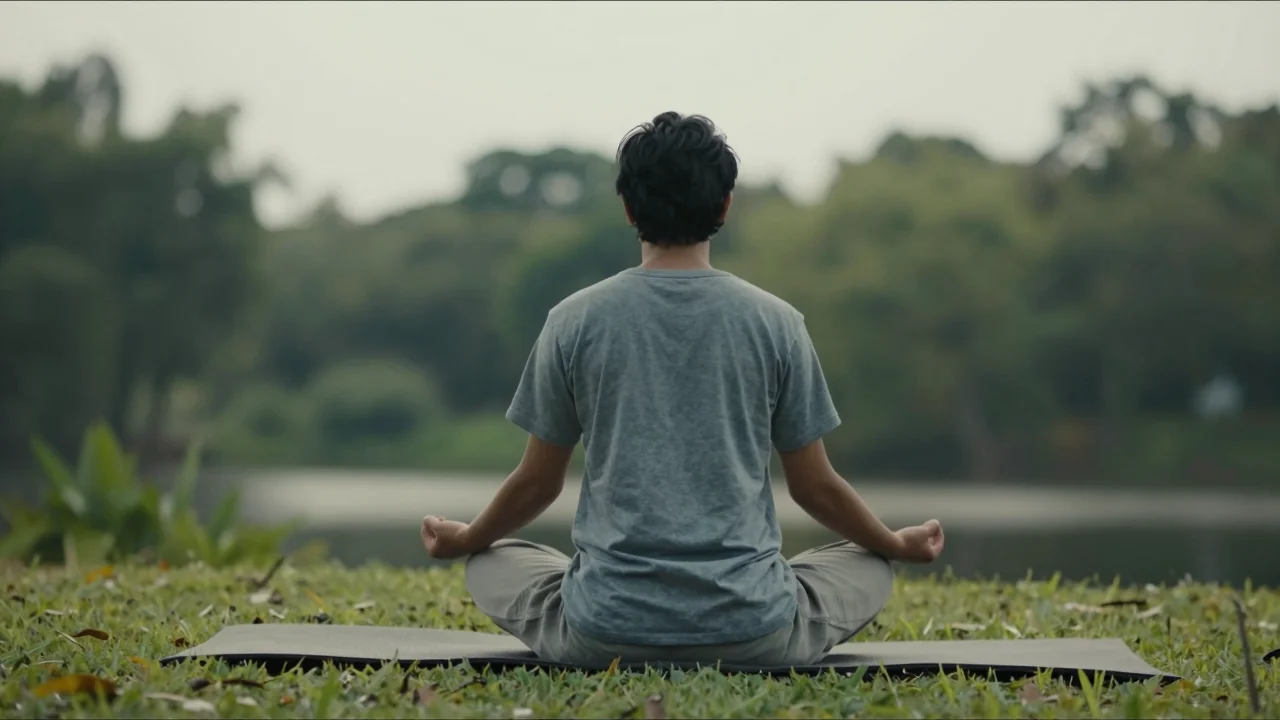
Tips for Letting Go of Negativity
Letting go of negativity requires a proactive approach. Here are some practical tips to help you release negative emotions and cultivate a more positive outlook:
- Practice gratitude daily by listing things you’re thankful for
- Engage in physical activities like yoga or walking to reduce stress
- Limit exposure to negative news and social media
- Surround yourself with positive influences and supportive people
- Use positive affirmations to reframe negative thoughts
Small changes in your daily routine can have a profound impact on your mental state. For instance, starting your day with a few minutes of mindfulness can set a positive tone for the rest of the day. Additionally, journaling your thoughts can help you process and release negative emotions more effectively.

Expert Strategies for Inner Peace
Experts in psychology and well-being offer several strategies for achieving inner peace. One of the most effective methods is learning how to build emotional resilience. Resilience allows you to bounce back from setbacks and maintain a positive outlook even in challenging situations.
Another key strategy is practicing self-compassion. Being kind to yourself and acknowledging your efforts can help reduce self-criticism and negative self-talk. Mindfulness practices, such as meditation and deep breathing exercises, are also highly recommended by experts for cultivating inner peace.
For more detailed guidance, you can explore resources on how to build emotional resilience and other evidence-based techniques.
The Science of Letting Go
The science behind letting go of negativity is well-documented. Research on emotional resilience has shown that the brain can be rewired through consistent positive practices. Neuroplasticity, the brain’s ability to reorganize itself, plays a crucial role in this process.
Studies have found that practices like mindfulness and meditation can physically change the brain’s structure, enhancing areas associated with emotional regulation and reducing activity in regions linked to stress and anxiety. According to research on emotional resilience, individuals who engage in these practices report lower levels of negative emotions and higher levels of overall well-being.
Understanding the neurological benefits of letting go can motivate you to incorporate these practices into your daily life. Whether it’s through structured meditation sessions or simply taking a few moments each day to focus on your breath, these small steps can lead to significant improvements in your mental health.

Creating a Positive Environment
Your environment plays a significant role in shaping your mental state. Creating a positive environment can help reinforce the changes you’re making internally. This includes both your physical surroundings and the people you interact with regularly.
Decluttering your living space can have a surprisingly positive effect on your mind. A clean and organized environment can reduce stress and increase feelings of calm. Additionally, incorporating elements like plants, natural light, and soothing colors can enhance the overall ambiance of your space.
For more tips for creating a peaceful home environment, consider exploring resources that provide practical advice on designing a space that promotes relaxation and positivity.
Mindfulness and Meditation Techniques
Mindfulness and meditation are powerful tools for letting go of negativity. These practices help you stay present and reduce the impact of negative thoughts. There are various techniques you can try, depending on your preferences and needs.
Guided meditation is an excellent starting point for beginners. Apps and online resources offer a wide range of guided sessions tailored to different goals, such as stress relief, better sleep, or increased focus. Body scan meditation, where you focus on each part of your body to release tension, is another effective technique.
Consistency is key with mindfulness and meditation. Even a few minutes each day can make a noticeable difference in your ability to manage negative emotions. Over time, you’ll find that these practices become an integral part of your routine, providing a sense of calm and clarity.

Building Emotional Resilience
Emotional resilience is the ability to adapt to stressful situations and recover from adversity. Building resilience is essential for long-term mental well-being and can help you navigate life’s challenges with greater ease.
One way to build resilience is by developing a growth mindset. This involves viewing challenges as opportunities for growth rather than obstacles. Practicing self-care, setting realistic goals, and seeking support from others are also important aspects of building resilience.
Resilience is not about avoiding negative emotions but learning to manage them effectively. By cultivating a positive outlook and focusing on solutions rather than problems, you can strengthen your emotional resilience and improve your overall quality of life.
Maintaining a Positive Mindset
Maintaining a positive mindset is an ongoing process that requires effort and commitment. It’s about choosing to focus on the good in every situation and cultivating gratitude for the blessings in your life.
One effective strategy is to reframe negative thoughts into positive ones. For example, instead of thinking “I can’t do this,” try saying “I’ll give it my best shot.” Positive affirmations can also help reinforce a positive mindset by replacing negative self-talk with empowering statements.
Surrounding yourself with positive influences is another key factor in maintaining a positive mindset. Whether it’s through supportive relationships, inspiring content, or uplifting environments, these influences can help you stay motivated and focused on your goals.
Remember, maintaining a positive mindset is a journey, not a destination. It’s about making conscious choices every day to nurture your mental well-being and let go of negativity. With practice and dedication, you can cultivate a lasting sense of peace and happiness.