
How to Stop Feeling Overwhelmed and Anxious: A Comprehensive Guide
In the fast-paced world of 2026, feeling overwhelmed and anxious has become an all-too-common experience for many people. Whether it’s the pressures of work, personal life, or the constant influx of information, managing stress and anxiety is more important than ever. This guide will walk you through understanding overwhelm, practical techniques to manage stress, and long-term strategies for mental well-being.
Understanding Overwhelm
Overwhelm is a state of mind where you feel unable to cope with the demands and pressures of life. It often manifests as a sense of being overwhelmed by responsibilities, emotions, or situations. According to recent studies, nearly 70% of adults in 2026 report feeling overwhelmed at least once a week. Understanding the root causes of overwhelm is the first step in addressing it.
Common triggers include work-related stress, financial worries, relationship issues, and the constant need to be connected. Recognizing these triggers can help you develop strategies to mitigate their impact. For example, setting boundaries at work or taking regular breaks can significantly reduce feelings of overwhelm.
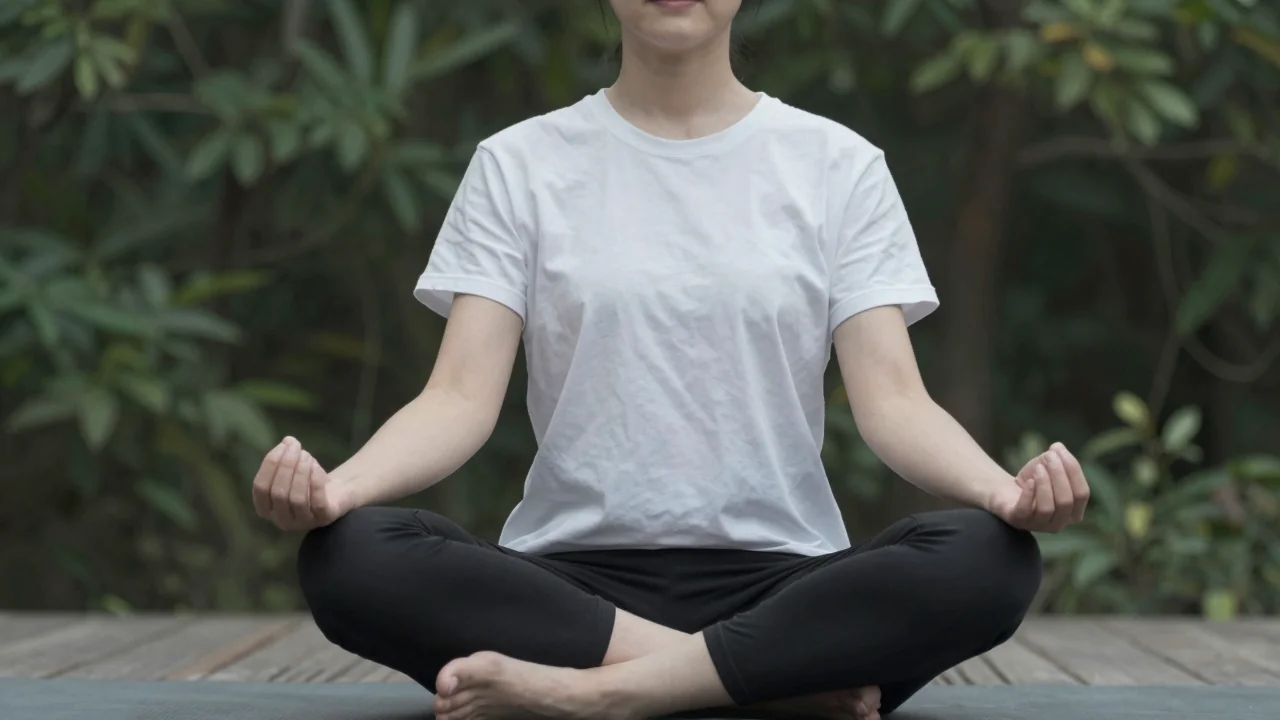
Practical Stress Management Techniques
Managing stress effectively is crucial for maintaining mental health. Techniques such as deep breathing, progressive muscle relaxation, and time management can make a significant difference. According to effective stress management techniques, incorporating these practices into your daily routine can help you feel more in control.
- Deep Breathing: Taking slow, deep breaths can calm your nervous system and reduce anxiety.
- Progressive Muscle Relaxation: Tensing and then relaxing each muscle group can help release physical tension.
- Time Management: Prioritizing tasks and breaking them into smaller steps can make them feel more manageable.
Mindfulness and Meditation
Mindfulness and meditation are powerful tools for reducing anxiety and overwhelming feelings. These practices help you stay present and focused, reducing the tendency to dwell on past events or worry about the future. Research in 2026 shows that regular meditation can decrease cortisol levels, the hormone associated with stress.
Starting with just a few minutes of mindfulness each day can have a profound impact. Apps and online resources make it easier than ever to access guided meditations and mindfulness exercises. Incorporating these practices into your morning or evening routine can help you start and end your day with a sense of calm.

Creating a Supportive Routine
A supportive routine can provide structure and stability, reducing feelings of overwhelm. This includes regular sleep patterns, balanced meals, and scheduled breaks. Consistency is key, as it helps your brain and body adapt to a rhythm that promotes well-being.
Incorporating physical activity into your routine is also beneficial. Exercise releases endorphins, which are natural mood boosters. Even a short walk can make a difference. Additionally, setting aside time for hobbies and relaxation can help you recharge and maintain a healthy work-life balance.
Building Mental Resilience
Mental resilience is the ability to bounce back from challenges and adapt to change. Building resilience involves developing a positive mindset, fostering strong relationships, and practicing self-care. According to research on building mental resilience, these practices can significantly improve your ability to handle stress.
One way to build resilience is by reframing negative thoughts. Instead of viewing a situation as a threat, try to see it as an opportunity for growth. Another strategy is to cultivate a support network of friends, family, or mentors who can offer encouragement and advice.

Creating a Peaceful Home Environment
Your home environment plays a significant role in your mental well-being. A cluttered or chaotic space can contribute to feelings of overwhelm, while a peaceful and organized home can promote relaxation and clarity. Tips for creating a peaceful home include decluttering, using calming colors, and incorporating natural elements.
Creating designated spaces for different activities, such as a cozy reading nook or a meditation corner, can also enhance your home’s tranquility. Additionally, reducing noise and distractions can help you unwind and focus on self-care.
Professional Help and Therapy Options
Sometimes, overwhelming feelings can be too much to handle alone, and seeking professional help is a wise decision. Therapies such as cognitive behavioral therapy for anxiety can provide you with tools and strategies to manage stress and anxiety effectively.
Other options include counseling, support groups, and alternative therapies like art or music therapy. These resources can offer valuable insights and coping mechanisms tailored to your unique situation. Remember, asking for help is a sign of strength, not weakness.

Long-Term Strategies for Mental Well-being
Sustaining mental well-being requires long-term strategies that go beyond immediate stress relief. This includes setting realistic goals, practicing self-compassion, and continuously evaluating your needs and priorities. Regular check-ins with yourself can help you stay on track and make adjustments as needed.
Additionally, staying informed about mental health resources and trends can empower you to take proactive steps. Engaging in lifelong learning, whether through books, courses, or workshops, can also enrich your perspective and enhance your ability to cope with life’s challenges.

“The greatest weapon against stress is our ability to choose one thought over another.” – William James
Feeling overwhelmed and anxious is a common experience, but it doesn’t have to control your life. By understanding the causes of overwhelm, implementing practical stress management techniques, and seeking professional help when needed, you can regain control and cultivate a sense of peace and well-being. Remember, small steps can lead to significant improvements over time.