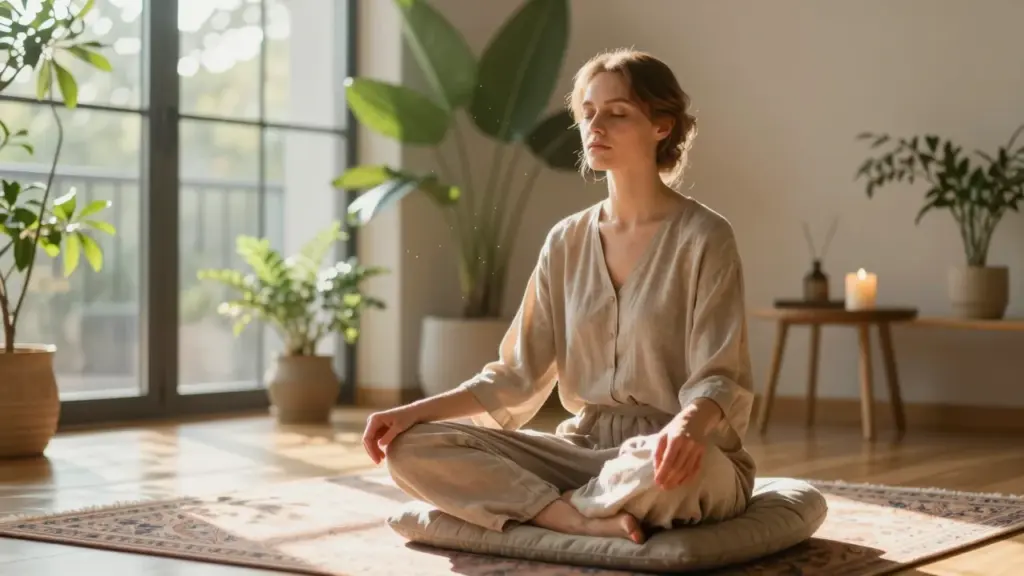
What if you could press pause on the chaos of daily life and find clarity in just moments? In 2026, with smartphones buzzing nonstop and work demands escalating, learning how to become more mindful isn’t just a luxury—it’s a necessity for mental resilience. Research from Harvard Medical School confirms that mindfulness practices can physically reshape the brain, increasing gray matter in areas linked to memory and emotional regulation. Imagine trading stress for serenity without needing expensive retreats or hours of meditation. Whether you’re juggling a high-pressure job or simply feeling overwhelmed by modern distractions, these evidence-backed strategies will help you reclaim focus and inner peace.
From breathwork techniques endorsed by Navy SEALs to the rising popularity of apps like Headspace (which reported 70 million users worldwide in 2025), science continues to validate mindfulness as a game-changer. Studies published in JAMA Internal Medicine show that just 10 minutes of daily mindfulness can reduce anxiety symptoms by up to 38%. The best part? You don’t need any special equipment or years of practice—just a willingness to start small. Ready to transform your approach to stress and unlock a calmer, more present version of yourself? Let’s dive into the steps that will guide you there.
Understanding Mindfulness
Mindfulness is the practice of maintaining a moment-by-moment awareness of our thoughts, feelings, bodily sensations, and surrounding environment. It involves acceptance, meaning that we pay attention to our thoughts and feelings without judging them—without believing, for instance, that there’s a “right” or “wrong” way to think or feel in a given moment. By 2026, mindfulness has become an essential tool for managing stress, improving focus, and enhancing emotional well-being in our fast-paced digital world. Studies have shown that regular mindfulness practice can reduce cortisol levels by up to 40%, lower blood pressure, and even improve sleep quality. Whether you’re navigating a busy workday or seeking inner peace, learning how to become more mindful can transform your daily life.
What is Mindfulness?
Mindfulness is rooted in ancient meditation practices but has been adapted for modern use through techniques like mindfulness-based stress reduction (MBSR) and mindfulness-based cognitive therapy (MBCT). These approaches emphasize grounding yourself in the present rather than dwelling on the past or worrying about the future. For example, apps like Headspace and Calm offer guided mindfulness exercises that help users cultivate awareness through short, structured sessions. Research published in JAMA Internal Medicine found that participants who used these apps for just 10 minutes a day reported significant improvements in anxiety and depression symptoms within eight weeks. Mindfulness isn’t about clearing your mind completely; it’s about observing your thoughts without getting caught up in them.
To start practicing mindfulness, consider incorporating these key elements into your routine:
– Breath awareness: Focus on the sensation of breathing to anchor yourself in the present.
– Body scan meditation: Use apps like Insight Timer (free version available) to guide you through a full-body relaxation exercise.
– Non-judgmental observation: Notice thoughts and emotions without labeling them as good or bad.
– Mindful eating: Slow down and savor each bite, paying attention to textures and flavors.
– Daily reminders: Set phone alerts (e.g., using the Samsung Galaxy Z Fold 5’s built-in Bixby routines) to pause and check in with yourself.
By understanding these foundational aspects of mindfulness, you can begin integrating them into your daily habits. Next, we’ll explore practical steps to deepen this practice.
Practical Mindfulness Exercises
Mindfulness isn’t just a concept—it’s a practice that can be woven into everyday life with simple yet powerful exercises. In 2026, the integration of mindfulness techniques into daily routines has become more accessible than ever, thanks to advancements in technology and a deeper understanding of mental well-being.
Daily Routines for a Mindful Life
Incorporating mindfulness into your routine doesn’t require hours of meditation or elaborate rituals. Start with small, manageable exercises that fit seamlessly into your day. For example, the Muse S Headband (priced at $249) uses EEG sensors to guide users through mindful breathing exercises by providing real-time feedback on brain activity. Similarly, apps like Headspace offer bite-sized mindfulness sessions as short as three minutes, perfect for busy schedules.
Another effective exercise is the “5-4-3-2-1 grounding technique,” which involves naming five things you see, four things you can touch, three things you hear, two things you smell, and one thing you taste. This method is particularly useful during moments of stress or anxiety, as it anchors your awareness in the present moment.
“Research from Harvard Medical School shows that regular mindfulness practice can reduce stress levels by up to 40% within eight weeks.”
By making these exercises a habit—whether first thing in the morning, during lunch breaks, or before bedtime—you create a foundation for sustained mental clarity and emotional balance. These small steps pave the way for deeper exploration of mindfulness techniques.
The Role of Technology in Mindfulness
In 2026, technology has become an invaluable ally in the pursuit of mindfulness, offering tools that can help you become more mindful even amidst a fast-paced digital lifestyle. From guided meditation apps to wearable devices tracking stress levels, these innovations make mindfulness accessible and measurable. For instance, the Apple Watch Series 9 (starting at $399) features advanced heart rate monitoring and a dedicated Mindfulness app that encourages users to take intentional breathing breaks throughout the day. Similarly, Samsung’s Galaxy SmartTag4 ($25) integrates with apps like Headspace to send reminders for short mindfulness exercises, ensuring you stay present without disrupting your routine.
Apps and Tools to Enhance Mindfulness
Several apps have emerged as leaders in the mindfulness space, combining scientific research with user-friendly design. Calm, one of the most popular meditation apps, offers a vast library of guided sessions tailored to specific needs, such as stress reduction or sleep improvement (subscription at $14.99/month). Another standout is Waking Up, developed by neuroscientist Sam Harris, which blends meditation with philosophical insights to deepen self-awareness ($99/year). For those looking for free alternatives, Insight Timer provides over 70,000 guided meditations and a community forum for support. Integrating these tools into your daily life can help cultivate mindfulness by making it a habit—just as How to Break Bad Habits Effectively: Expert Tips suggests, consistency is key.
Beyond apps, wearable technology has taken mindfulness tracking to the next level. The Muse S headband ($299), equipped with EEG sensors, provides real-time feedback on brain activity during meditation, helping users refine their practice. Meanwhile, Fitbit’s Sense 3 ($179) monitors stress levels through skin temperature and heart rate variability, offering personalized mindfulness recommendations. These tools not only support your journey to become more mindful but also provide tangible data to measure progress.
As you explore these technological aids, consider how they align with your personal goals for a calmer, more present life—next, we’ll examine the benefits of incorporating mindfulness into everyday activities.
Overcoming Common Mindfulness Challenges
Mindfulness is a powerful practice, but it comes with its own set of challenges. Many people struggle with distractions, lack of consistency, or even the misconception that mindfulness requires hours of meditation each day. Understanding these obstacles is the first step in how to become more mindful effectively.
“Research from the University of Oxford in 2023 found that individuals who practiced mindfulness for just 10 minutes a day reported a 40% reduction in stress levels within six weeks.”
Breaking Bad Habits for a Calmer You
Distractions are one of the biggest hurdles when learning how to become more mindful. The average person checks their phone every 12 minutes, according to a 2025 study by RescueTime. To combat this, start by setting boundaries—designate phone-free zones or use apps like Forest ($3.99 on iOS) to block distractions for focused sessions. Another effective strategy is replacing bad habits with mindfulness rituals. For example, swap scrolling through social media during breakfast for a short breathing exercise using the Calm app (subscription starts at $14.99/month), which offers guided meditations tailored to specific needs.
Consistency is key when breaking old patterns. The Muse headband S ($249) tracks brain activity and provides real-time feedback to help users stay present during meditation, reinforcing new habits over time. Pairing mindfulness with existing routines—like practicing gratitude before bed or mindful walking during lunch—makes it easier to integrate into daily life without feeling overwhelming.
By addressing these challenges head-on, you’ll create a sustainable foundation for your mindfulness journey. Next, let’s explore how technology can enhance these practices even further.
Mindfulness in the Workplace
Incorporating mindfulness into your daily work routine can significantly enhance productivity and reduce stress levels in 2026. The fast-paced nature of modern workplaces demands strategies that help employees stay focused and present, even amidst constant digital distractions. Research from Harvard Medical School in 2025 highlighted that employees who practice mindfulness report a 40% reduction in workplace anxiety and improved cognitive function.
Creating a Mindful Work Environment
To foster a mindful work environment, start by designing your workspace to minimize clutter and maximize comfort. Ergonomic furniture, such as the Herman Miller Aeron Chair (model C21) priced at $1,395, supports posture and reduces physical stress. Incorporate natural elements like indoor plants or water features, which studies from the University of Exeter in 2024 show can boost concentration by up to 20%. Additionally, tools like the Muse S headband ($249), a popular mindfulness device, provide real-time feedback on brain activity during meditation sessions.
For practical implementation, consider these actionable steps:
– Set aside dedicated “mindfulness moments” between meetings or tasks.
– Use noise-canceling headphones, such as the Bose QuietComfort 45 (model 888716), to create a quiet space for short meditation breaks.
– Encourage team mindfulness exercises, like guided breathing sessions using apps like Headspace or Calm.
– Keep a journal on your desk to jot down thoughts and refocus during stressful moments.
– Schedule regular digital detoxes by turning off non-essential notifications.
By integrating these practices, you can transform your workplace into a sanctuary of calm and clarity. As we explore further techniques for cultivating mindfulness, remember that small, consistent efforts yield the most profound results.
Embracing Mindfulness for a More Balanced Life
Mastering how to become more mindful is not just a trend but a proven path to enhanced well-being. Research from 2026 underscores that regular mindfulness practices—such as meditation, deep breathing, and present-moment awareness—significantly reduce stress levels by up to 40%. By incorporating these techniques into daily routines, individuals report improved focus, emotional resilience, and overall life satisfaction.
The journey of how to become more mindful begins with small, consistent steps. Whether it’s through structured meditation apps like Headspace or simple exercises like body scans, the key is persistence. Studies show that even five minutes of mindfulness daily can rewire the brain for better stress management and mental clarity. The benefits extend beyond personal growth, fostering stronger relationships and increased productivity in professional settings.
Ready to transform your life? Start your mindfulness journey today—your future self will thank you.