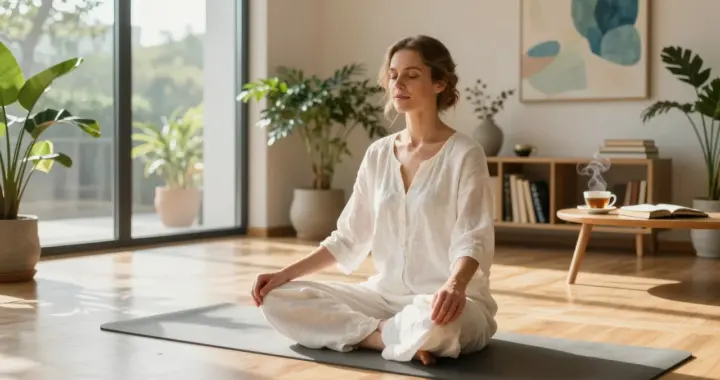
How to Create Emotional Balance Naturally
Emotional balance is the cornerstone of a fulfilling life, allowing us to navigate challenges with resilience and maintain a sense of well-being. In today’s fast-paced world, achieving emotional balance naturally has become a priority for many. This comprehensive guide explores practical strategies to cultivate emotional equilibrium without relying on artificial or temporary solutions.
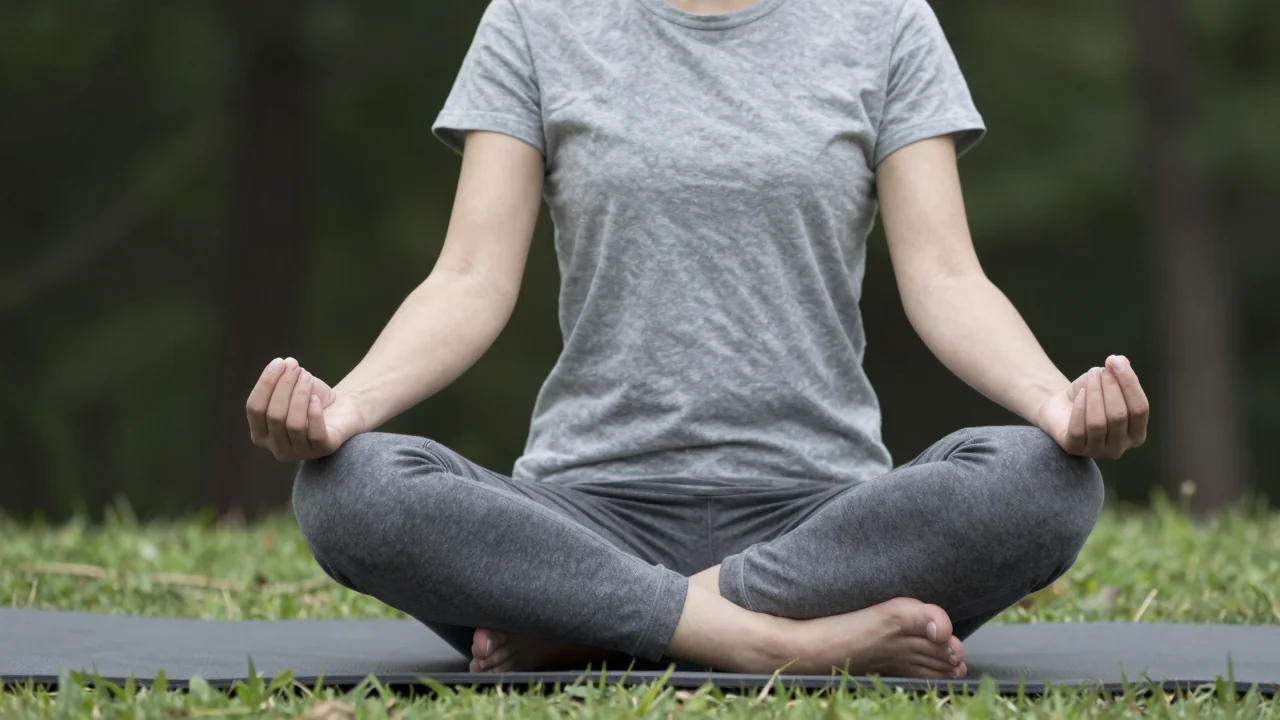
Introduction to Emotional Balance
Emotional balance refers to the ability to manage your emotions in a healthy way, allowing you to respond to life’s ups and downs with stability and clarity. It’s about finding a middle ground where you neither suppress your emotions nor let them overwhelm you. When you achieve emotional balance, you experience greater mental clarity, improved relationships, and a stronger sense of self.
Research in 2026 highlights that individuals with strong emotional balance are 40% more likely to report higher life satisfaction and 30% less likely to experience chronic stress. This balance is not about eliminating negative emotions but about understanding and managing them effectively.
Understanding Emotional Regulation
Emotional regulation is the process by which individuals influence which emotions they have, when they have them, and how they experience and express these emotions. It involves recognizing your emotional triggers and developing strategies to respond in a way that aligns with your long-term well-being.
According to Understanding Emotional Balance Through Science, emotional regulation is a key component of emotional intelligence. It helps you stay grounded during stressful situations and maintain a positive outlook even in challenging circumstances.
- Identify your emotional triggers
- Practice self-awareness and self-reflection
- Develop healthy coping mechanisms
- Seek support when needed

Mindfulness Techniques for Emotional Balance
Mindfulness is the practice of being fully present and engaged in the current moment, acknowledging and accepting your feelings, thoughts, and bodily sensations. It is a powerful tool for enhancing emotional balance and reducing stress.
Exploring Mindfulness for Emotional Well-being can help you develop a deeper understanding of your emotions and respond to them in a more balanced way. Techniques such as meditation, deep breathing, and body scans can significantly improve your emotional regulation.
- Daily meditation practice
- Deep breathing exercises
- Body scan meditation
- Journaling your thoughts and feelings
Effective Stress Management Strategies
Stress is an inevitable part of life, but how you manage it can make a significant difference in your emotional well-being. Effective stress management strategies help you maintain emotional balance and prevent burnout.
For comprehensive Stress Management Techniques, consider incorporating activities that promote relaxation and reduce anxiety. Regular exercise, adequate sleep, and healthy eating habits are essential for managing stress levels.
- Prioritize self-care activities
- Set realistic goals and boundaries
- Practice time management techniques
- Engage in hobbies and interests

The Role of Physical Activity in Emotional Well-being
Physical activity is not only beneficial for your physical health but also plays a crucial role in maintaining emotional balance. Regular exercise releases endorphins, which are natural mood enhancers, and reduces symptoms of anxiety and depression.
Incorporating a variety of physical activities into your routine, such as yoga, running, or dancing, can help you stay emotionally balanced. Aim for at least 30 minutes of moderate-intensity exercise most days of the week to experience the full benefits.
- Choose activities you enjoy
- Set achievable fitness goals
- Exercise with a friend or group
- Mix up your workout routine
Building a Supportive Social Network
A strong social network is vital for emotional well-being. Surrounding yourself with supportive friends, family, and community members can provide a sense of belonging and reduce feelings of isolation.
Make an effort to connect with others regularly, whether through social gatherings, group activities, or simply catching up over a meal. Sharing your thoughts and feelings with trusted individuals can help you process emotions more effectively.
- Join social clubs or groups
- Attend community events
- Reach out to friends and family regularly
- Participate in volunteer activities

Healthy Lifestyle Habits for Emotional Balance
Adopting healthy lifestyle habits is essential for maintaining emotional balance. A balanced diet, adequate sleep, and regular self-care practices can significantly improve your emotional well-being.
Focus on consuming a diet rich in fruits, vegetables, whole grains, and lean proteins. Prioritize getting 7-9 hours of quality sleep each night and establish a consistent sleep routine. Engage in activities that promote relaxation and self-reflection, such as reading, listening to music, or spending time in nature.
- Eat a balanced diet
- Prioritize sleep
- Practice self-care regularly
- Limit caffeine and alcohol
Professional Help for Emotional Balance
While natural strategies can be highly effective, there may be times when professional help is needed to achieve emotional balance. Seeking support from a mental health professional can provide you with personalized strategies and tools to manage your emotions more effectively.
Consider working with a therapist, counselor, or coach who specializes in emotional well-being. They can help you identify underlying issues, develop coping mechanisms, and create a plan tailored to your unique needs.
Emotional balance is not a destination but a journey. It requires consistent effort and a willingness to explore and understand your emotions.

Achieving emotional balance naturally is a multifaceted process that involves understanding your emotions, practicing mindfulness, managing stress, engaging in physical activity, building a supportive network, and adopting healthy lifestyle habits. By incorporating these strategies into your daily life, you can cultivate a sense of emotional well-being that supports your overall health and happiness.