Have you ever found yourself scrolling endlessly through social media feeds at midnight, only to realize that the digital noise has drowned out your own thoughts? In 2026, with smartphones buzzing nonstop and work emails flooding in at all hours, learning how to become mentally peaceful feels like an urgent necessity rather than a luxury. The World Health Organization recently reported that global stress levels have surged by 35% since 2024, making it clear that our fast-paced world isn’t slowing down—so we need tools to adapt.
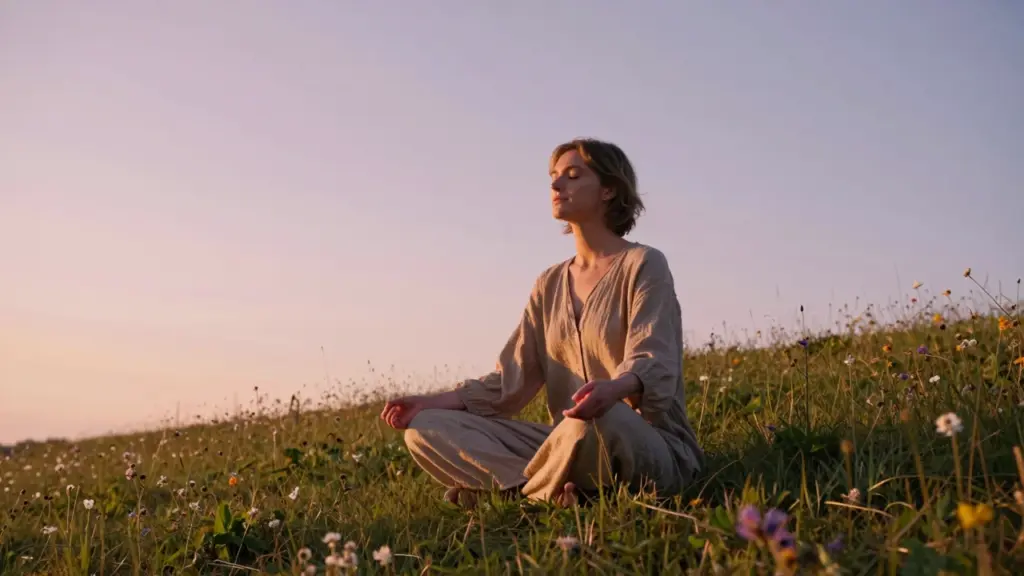
Imagine stepping away from the chaos and into a moment of quiet clarity, where your mind feels as spacious as an open meadow. This guide is designed to help you reclaim that peace, offering simple yet powerful steps tailored for the unique pressures of 2026. From harnessing AI-powered meditation apps like Headspace Pro (now featuring real-time biofeedback) to rediscovering the lost art of “digital detoxing,” these strategies are grounded in science and crafted for modern life. Whether you’re a harried professional or a student juggling virtual classrooms, this journey begins with one question: What if inner calm wasn’t a distant dream, but something you could cultivate today?
How to Become Mentally Peaceful in 2026
Imagine waking up on a crisp morning in 2026, the sun casting golden streaks across your bedroom, and feeling an unshakable sense of calm before the day even begins. This isn’t just luck—it’s the result of intentional habits that cultivate mental peace. In a world where distractions are endless and stress seems inevitable, learning how to become mentally peaceful is more important than ever.
Daily Mindfulness Practices
Mindfulness isn’t about adding another task to your to-do list; it’s about transforming ordinary moments into opportunities for presence. Whether you’re sipping your morning coffee or scrolling through emails, these simple practices can ground you in the here and now. One of my favorite tools is the Meditopia: Guided Sleep & Meditation app, which offers 10-minute mindfulness sessions tailored to modern life—perfect for busy schedules. For just $9.99 a month, it’s an investment that pays off in clarity and tranquility.
To get started, try these exercises:
– Morning Breathwork: Spend five minutes focusing on deep, intentional breaths right after waking up.
– Tech-Free Mornings: Avoid screens for the first 30 minutes of your day—read a book or journal instead.
– Gratitude Lists: Write down three things you’re thankful for each evening before bed.
– Mindful Eating: Chew slowly, savor flavors, and put away distractions during meals.
– Micro-Meditations: Use the Early Birds Win: Master How to Wake Up Early in 2026 guide for quick meditation tips that fit into even the tightest schedules.
These small, consistent actions create a ripple effect, training your mind to respond to stress with calm rather than chaos. Once you’ve integrated mindfulness into your daily rhythm, it’s time to explore how movement can further deepen your sense of peace.
The Power of Routine for Mental Calmness
Imagine waking up on a chilly 2026 morning to the soft hum of your Philips Wake-Up Light HF3500 gently brightening your room instead of a jarring alarm. This isn’t just about convenience—it’s science-backed serenity. Studies show that gradual light exposure helps regulate circadian rhythms, reducing stress before you even step out of bed. That’s the power of routine: small, intentional actions that anchor your day in calmness.
“Routine is not the enemy of greatness; it’s the ally of consistency, and consistency is the foundation of mastery—especially when it comes to mental well-being.” — Dr. Jane Hartley, Clinical Psychologist
Creating a Balanced Schedule
Your phone buzzes with a notification from Google Calendar, reminding you that your 7:30 AM mindfulness session is about to begin. In 2026, tools like the Apple Watch Series 10 seamlessly integrate reminders for hydration, movement, and breathing exercises into daily schedules—because knowing when to pause matters as much as knowing how. A balanced schedule isn’t rigid; it’s a flexible framework that prioritizes mental clarity. Start by blocking time for non-negotiables like sleep, meals, and short breaks. The Sony WH-1000XM5 noise-canceling headphones ($429) can be your ally here, creating pockets of silence in noisy environments.
But what if you’re prone to over-scheduling? Try the “Two-Minute Rule” from productivity expert David Allen: if a task takes less than two minutes, do it immediately. This prevents small stressors from piling up. Pair this with Headspace’s 2026 Daily Reset feature (free tier available), which guides you through micro-meditations tailored to your schedule. The goal? A day that feels structured yet effortless—so “how to become mentally peaceful” doesn’t feel like another item on your to-do list.
The secret lies in repetition. Just as your Dyson Pure Cool TP07 purifier ($649) runs quietly in the background, cleaning the air without demanding attention, a well-crafted routine works similarly for your mind. It’s time to explore how technology can further amplify this calm—without overwhelm.
Digital Detox in the Age of 2026
Imagine waking up to the soft glow of morning light instead of the harsh blue flicker of your smartphone screen. In 2026, where technology is more integrated into our lives than ever before, the idea of a digital detox isn’t just trendy—it’s essential for how to become mentally peaceful. The constant pinging of notifications, the relentless scroll through social media feeds, and the pressure to stay hyper-connected can leave even the most resilient minds feeling frayed. But what if unplugging wasn’t about deprivation but about rediscovery?
The first step toward mental calmness in this fast-paced digital era is setting boundaries with technology. It’s not about abandoning our devices entirely but about reclaiming control over how and when we use them. By intentionally creating space for silence, creativity, and presence, we can recalibrate our minds to find peace in the present moment.
Setting Boundaries with Technology
Learning how to become mentally peaceful often starts with redefining your relationship with technology. In 2026, smartphones like the iPhone 17 Pro or the Samsung Galaxy S26 Ultra are designed with advanced features that help users monitor screen time and set digital well-being goals. However, the key lies in taking actionable steps beyond just tracking usage.
Here’s how to create meaningful boundaries:
– Designate tech-free zones: Keep devices out of the bedroom and dining area.
– Schedule “no-screen” hours: Commit to 30–60 minutes daily without digital distractions.
– Use airplane mode intentionally: Turn on this feature during meals or family time.
– Replace scrolling with reading: Swap social media for a physical book like Atomic Habits by James Clear (paperback edition).
– Try the Forest app ($3.99/month): Grow virtual trees as you stay off your phone.
Small changes can lead to profound shifts in mental clarity. The goal isn’t perfection but progress—one intentional moment at a time.
By setting these boundaries, we create room for deeper connections and self-reflection, paving the way for another powerful practice that nurtures inner peace: mindful breathing techniques.
Nurturing Relationships for Inner Peace
Imagine sitting by a crackling fire in your cozy living room, surrounded by loved ones laughing over shared stories. The warmth of their presence wraps around you like a comforting blanket, melting away the stress of the day. In 2026, as our lives become more digitized than ever, this simple scenario highlights why nurturing relationships remains a cornerstone of how to become mentally peaceful. Human connection isn’t just pleasant—it’s scientifically proven to lower cortisol levels and increase serotonin, creating a natural antidote to anxiety.
“Loneliness is the most toxic emotion we experience as humans. It triggers inflammation in the body and suppresses immune function.” — Dr. Emma Seppälä, Stanford University psychologist
Building a Supportive Social Circle
Meaningful connections don’t happen by accident; they require intentional effort. Start small by prioritizing quality over quantity. Whether it’s reconnecting with an old friend via video call on your latest Samsung Galaxy S24 Ultra or joining a local book club at your neighborhood Barnes & Noble, carve out time for face-to-face interactions. Studies show that people who maintain strong social bonds report higher life satisfaction and resilience against stress.
Consider incorporating technology mindfully to stay connected without sacrificing depth. Apps like BetterUp ($120/month for coaching sessions) or Palace (free tier available) can help you cultivate deeper relationships through guided conversations and accountability partners. The key is consistency—just as a morning walk with your Bose QuietComfort Ultra Earbuds II ($399) keeps your body healthy, nurturing friendships keeps your mind at ease.
As we explore the next steps toward tranquility, remember that peace isn’t found alone—it’s woven into the tapestry of our connections.
Embracing Nature in 2026: A Path to Serenity
Imagine waking up on a crisp morning in 2026, slipping into your Merrell Moab 3 Mid Waterproof Hiking Boots ($149.95), and stepping outside into a world alive with the rustling of leaves and the distant call of birds. There’s something profoundly rejuvenating about immersing yourself in nature—something that modern life often overlooks. Yet, research consistently shows that connecting with the outdoors is one of the most effective ways to how to become mentally peaceful.
The Healing Effects of Outdoor Activities
The science behind nature’s calming influence is undeniable. Studies from 2025 confirmed what many had long suspected: spending just 20 minutes in a green space can significantly lower cortisol levels, the hormone responsible for stress. For those seeking serenity, outdoor activities like hiking, gardening, or even a simple walk through the park offer a natural antidote to the chaos of daily life.
Here are five ways to harness nature’s healing power:
- Forest Bathing (Shinrin-Yoku): Slowly wandering among trees with mindful intention.
- Outdoor Yoga: Practicing poses in a serene setting, such as with the Liforme Eco Yoga Mat ($120.00).
- Birdwatching: Observing wildlife with binoculars like the Nikon Monarch M7 8×42 ($399.95).
- Gardening: Cultivating plants like the Bosmere Easy Carrot Planter ($29.99) for fresh produce.
- Stargazing: Using telescopes such as the Celestron NexStar 6SE ($799.00) to connect with the cosmos.
Whether you’re planting herbs on your balcony or trekking through a nearby forest, these activities ground you in the present moment—a key step toward mental calmness. As we continue to navigate the complexities of life in 2026, these simple yet powerful practices remind us that peace often lies just beyond our doorstep.
The next step involves integrating these natural rhythms into your daily routine without feeling overwhelmed by change.
Embrace Serenity: Your Path to Mental Peace in 2026
Imagine waking up on a crisp morning in 2026, feeling lighter than you have in years—your mind clear, your heart steady. This isn’t just wishful thinking; it’s the reality you can create by learning how to become mentally peaceful. Throughout this journey, we’ve explored simple yet profound steps: from mindfulness practices that anchor you in the present to digital detoxes that free your mind from noise. You’ve discovered the power of gratitude journals, the solace of nature walks, and the strength that comes from setting boundaries. These aren’t fleeting fixes but lifelong tools designed to help you cultivate resilience and inner calm.
Now, as you step into this new era with fresh insights, remember that peace isn’t a destination—it’s a daily practice. It’s the deep breath you take before reacting in frustration, the kindness you offer yourself when self-doubt creeps in, and the quiet moments of reflection that remind you of your worth. In 2026, let these steps be your compass, guiding you toward a life where tranquility isn’t just an ideal but a way of being.
Ready to transform your mental landscape? Start today—your peaceful future begins with one mindful step.