

How to Live Peacefully in a Chaotic World
The modern world is filled with chaos, from the constant stream of digital notifications to the pressures of work and personal life. Yet, amidst this turmoil, many people are seeking ways to cultivate inner peace and maintain a sense of calm. Learning how to live peacefully in a chaotic world is not just a luxury but a necessity for mental and physical well-being. This guide explores the principles and practices that can help you achieve a more serene existence, even in the most tumultuous times.
Understanding Inner Peace
Inner peace is a state of being mentally and spiritually at peace, with enough knowledge and understanding to keep yourself strong in the face of stress and uncertainty. It is not about avoiding life’s challenges but rather about developing the resilience to face them with a calm and clear mind. Inner peace is deeply personal and can vary from person to person, but it generally involves a sense of contentment, harmony, and balance within oneself.
Research from 2026 indicates that individuals who practice mindfulness and self-reflection report significantly lower levels of stress and anxiety. These practices help in creating a mental environment where peace can flourish. Understanding inner peace begins with recognizing that it is an ongoing process, not a destination. It requires consistent effort and a willingness to let go of negative thoughts and emotions that disrupt your tranquility.
“Peace is not the absence of chaos, but the ability to find calm within it.”
Practices for Cultivating Inner Peace
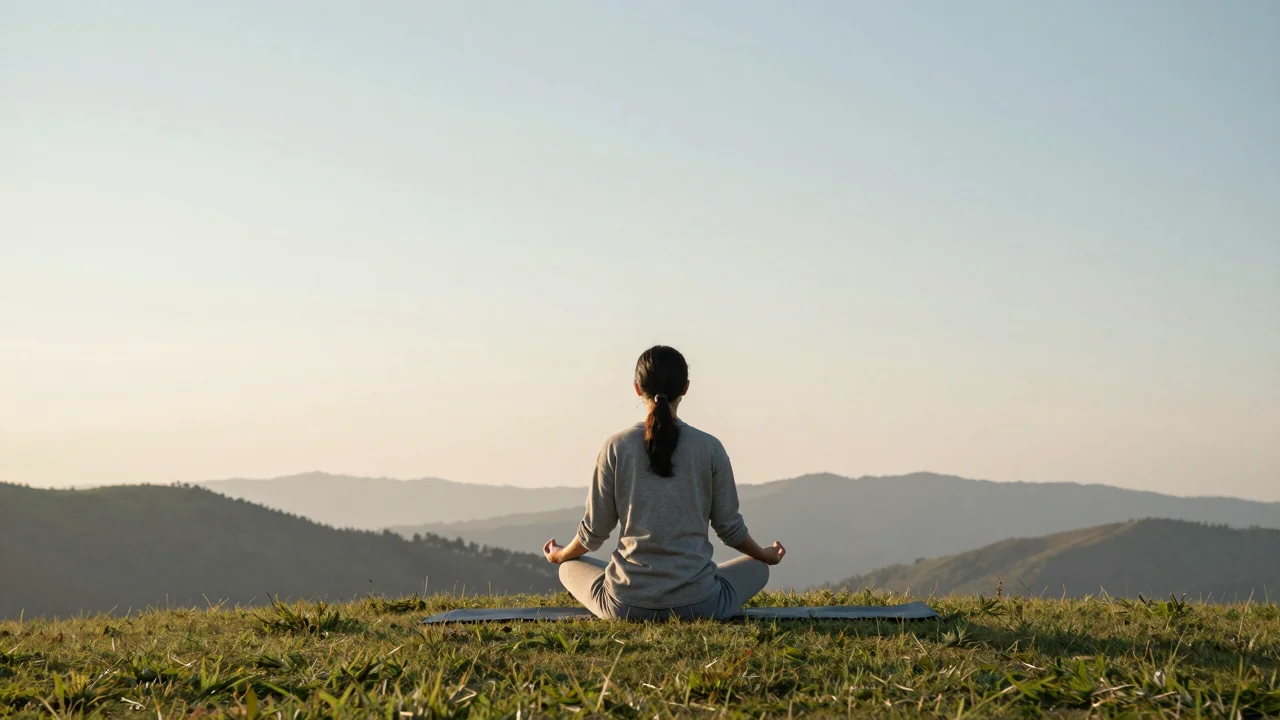
Cultivating inner peace involves a combination of mental, emotional, and physical practices. One of the most effective ways to start is by incorporating daily habits that promote relaxation and mindfulness. For example, setting aside time each day for meditation or deep breathing exercises can significantly reduce stress levels and increase feelings of peace. Exploring practices for inner peace, such as journaling or spending time in nature, can also help in grounding yourself and finding clarity amidst the chaos.
Another key practice is setting boundaries. In a world that never stops, learning to say no and prioritizing your well-being is crucial. This might involve limiting your exposure to news or social media, or delegating tasks that can be handled by others. Remember, inner peace is not about isolation but about creating a balanced life where you have the space to breathe and reflect.
- Engage in daily meditation or deep breathing exercises
- Spend time in nature to reconnect with yourself
- Set boundaries to protect your time and energy
- Practice gratitude by acknowledging the positive aspects of your life

The Science Behind Mindfulness
Mindfulness, the practice of being fully present and engaged in the current moment, has gained significant attention in recent years due to its proven benefits for mental health. Studies have shown that regular mindfulness practice can reduce stress, improve focus, and enhance emotional regulation. The science of mindfulness reveals that it can literally rewire your brain, increasing gray matter in areas associated with learning, memory, and emotional regulation.
One of the most compelling findings from 2026 research is that mindfulness can decrease activity in the amygdala, the part of the brain responsible for fear and stress responses. This means that practicing mindfulness can help you respond more calmly to stressful situations, rather than reacting impulsively. Incorporating mindfulness into your daily routine, even for just a few minutes each day, can have a profound impact on your overall sense of peace and well-being.
For those looking to deepen their understanding of mindfulness, resources like the science of mindfulness provide valuable insights and practical tips.
Creating a Peaceful Home Environment
Your home should be a sanctuary, a place where you can escape the chaos of the outside world and find solace. Creating a peaceful home environment starts with decluttering and organizing your space. A tidy home can significantly reduce stress and anxiety, making it easier to relax and unwind. Incorporating elements like soft lighting, comfortable furniture, and calming colors can also enhance the overall ambiance of your home.
Another important aspect of creating a peaceful home is incorporating personal touches that bring you joy. This could be anything from displaying cherished photographs to adding plants that purify the air and bring a sense of tranquility. For more tips on creating a cozy home lifestyle, consider exploring resources that focus on transforming your living space into a haven of peace and comfort.

Emotional Balance and Peace
Emotional balance is a crucial component of inner peace. It involves recognizing and managing your emotions in a healthy way, allowing you to navigate life’s ups and downs with greater ease. Achieving emotional balance naturally requires self-awareness and the willingness to address negative emotions head-on. This might involve practices like therapy, journaling, or talking to trusted friends and family members.
One effective strategy for maintaining emotional balance is to practice self-compassion. Be kind to yourself, especially during challenging times. Acknowledge your feelings without judgment and remind yourself that it’s okay to have off days. Resources on emotional balance naturally can provide additional guidance on how to cultivate this essential aspect of inner peace.
Stress Management Techniques
Stress is an inevitable part of life, but how you manage it can make a significant difference in your overall well-being. Effective stress management techniques can help you maintain a sense of calm and control, even in the most chaotic situations. One of the most popular methods is deep breathing, which can instantly reduce stress levels by activating your body’s relaxation response.
Other stress management techniques include exercise, which releases endorphins and improves mood, and time management, which helps you stay organized and reduce feelings of overwhelm. For practical tips for reducing daily stress, consider exploring comprehensive guides that offer evidence-based strategies for managing stress effectively.

Building Peaceful Relationships
The relationships you have with others can significantly impact your sense of peace. Building peaceful relationships involves effective communication, empathy, and mutual respect. It’s important to surround yourself with people who uplift and support you, rather than those who bring negativity and drama into your life. Setting clear boundaries and expressing your needs openly can help foster healthier and more peaceful relationships.
Conflict is a natural part of any relationship, but how you handle it can make all the difference. Practicing active listening, staying calm, and focusing on finding solutions rather than blame can help resolve conflicts peacefully. Remember, peaceful relationships are built on trust, understanding, and a willingness to grow together.
Finding Peace in a Digital World
The digital world can be both a source of connection and a source of stress. While technology offers numerous benefits, it can also contribute to feelings of anxiety and overwhelm. Finding peace in a digital world involves setting boundaries around your screen time and being mindful of your online interactions. This might involve turning off notifications, taking regular digital detoxes, and being selective about the content you consume.
Another important aspect of finding peace in a digital world is practicing digital mindfulness. This involves being fully present and engaged in your online activities, rather than mindlessly scrolling through social media or news feeds. By being more intentional about your digital habits, you can create a healthier and more peaceful relationship with technology.

Long-Term Strategies for Sustainable Peace
Sustainable peace is not something that can be achieved overnight. It requires long-term strategies and a commitment to ongoing self-care and personal growth. One of the most effective long-term strategies is to develop a daily routine that supports your well-being. This might include practices like meditation, exercise, and spending time in nature. By making these activities a regular part of your life, you can cultivate a deeper sense of peace and tranquility.
Another important aspect of sustainable peace is to cultivate a growth mindset. This involves viewing challenges as opportunities for learning and growth, rather than as obstacles to be feared. By embracing a growth mindset, you can develop the resilience and adaptability needed to navigate life’s ups and downs with greater ease. Remember, sustainable peace is an ongoing journey, not a destination. It requires patience, self-compassion, and a willingness to keep learning and growing.
